
What Nurses Do When Reading EKGs
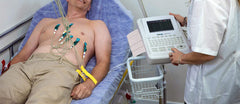
Nurses are trained to interpret EKGs, particularly those working in critical care, emergency, and cardiac settings. While their skill level depends on training and experience, many nurses can accurately recognize a range of ECG abnormalities. However, the final and official diagnosis is typically made by a physician.
📈 What Nurses Do When Reading EKGs
-
Identify Critical Rhythms:
Nurses are skilled at spotting life-threatening arrhythmias and acute changes that need immediate intervention. -
Follow Established Protocols:
They take action based on clinical guidelines—whether that means starting treatment or alerting the medical team. -
Support Timely Diagnosis:
By quickly detecting abnormalities, nurses help speed up the review process with physicians, leading to faster patient care.
🎓 What Affects a Nurse’s EKG Interpretation Skills?
-
Specialty Area:
Nurses in ICU, ER, and cardiology units regularly use EKG skills and tend to have more advanced training. -
Ongoing Education:
Many pursue additional EKG training through workshops, certifications, and courses from nursing organizations. -
Clinical Experience:
Hands-on experience plays a key role—seasoned nurses, especially in high-acuity areas, often interpret complex EKGs more confidently.
⚖️ Scope of Practice: Key Boundaries
Although nurses can read EKGs and identify important changes, their role generally involves reporting findings to a physician, who then makes the formal diagnosis.
It’s an essential skill for patient safety—but ultimate diagnostic responsibility lies with the physician or an authorized clinician.