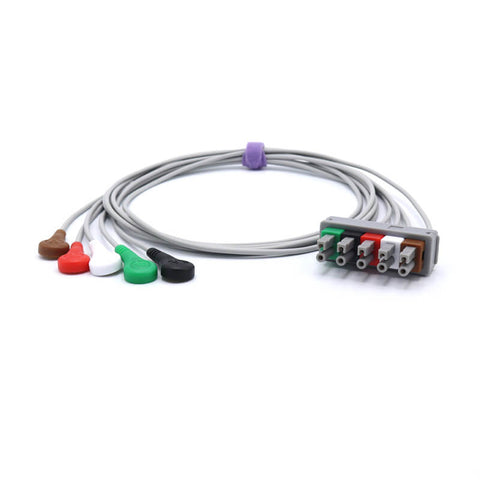

How Many Leads Is a Normal ECG?
A Complete Guide to the 12-Lead ECG (With Diagram & Video)
A normal ECG uses 12 leads.
The 12-lead ECG (electrocardiogram) is the standard test used worldwide to assess the heart’s electrical activity and detect cardiac abnormalities.
What Is a 12-Lead ECG?
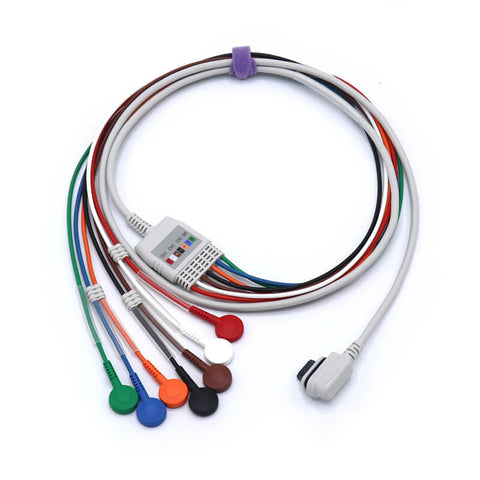
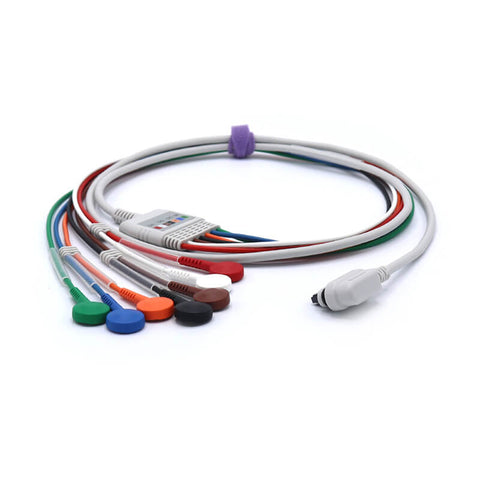
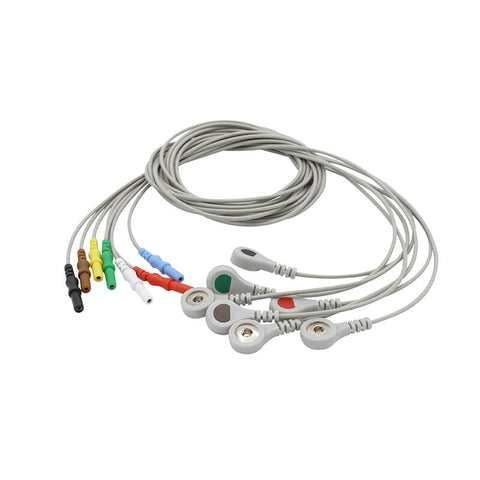
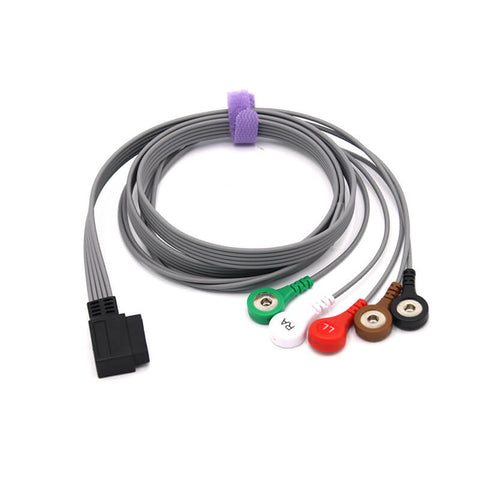
A 12-lead ECG provides 12 different views of the heart’s electrical signals using 10 electrodes placed on the body.
Electrode Placement (10 Total)
-
4 limb electrodes: right arm, left arm, right leg, left leg
-
6 chest (precordial) electrodes: V1–V6 on the chest
👉 These electrodes work together to generate 12 unique electrical views of the heart.
How Do ECG Leads Work?
In ECG terminology, a “lead” is not a wire, but a specific viewpoint of the heart’s electrical activity.
-
Each lead captures electrical signals from a different angle
-
Multiple angles allow clinicians to pinpoint abnormalities more accurately
-
The heart’s activity is analyzed in both vertical and horizontal planes
Types of ECG Leads (12 Total)
1. Limb Leads (6)
-
Standard limb leads: I, II, III
-
Augmented limb leads: aVR, aVL, aVF
-
View the heart in the frontal (vertical) plane
2. Chest (Precordial) Leads (6)
-
V1, V2, V3, V4, V5, V6
-
View the heart in the horizontal plane
Why Are 12 Leads Important?
Using 12 leads allows for a comprehensive and detailed assessment of the heart.
Clinical Benefits of a 12-Lead ECG
-
Detects heart attacks (myocardial infarction)
-
Identifies arrhythmias
-
Reveals ischemia and conduction abnormalities
-
Assesses heart chamber enlargement
-
Monitors overall cardiac health
Because of this diagnostic accuracy, the 12-lead ECG is the gold standard in clinical practice.
Quick Answer (Featured Snippet Friendly)
How many leads is a normal ECG?
➡️ A normal ECG uses 12 leads, created from 10 electrodes, to provide a complete view of the heart’s electrical activity.
Learn More
🎥 Watch the 12-Lead ECG Placement Guide (With Diagram & Video)
Perfect for students, nurses, EMTs, and clinicians learning ECG interpretation.