What Is the Best Type of Material for Towels?
Choosing the best towel material isn't one-size-fits-all. Your ideal pick depends on what you value most: luxurious softness, maximum absorbency, quick drying, eco-friendliness, or durability. Let's break down the top contenders to help you decide.
The Top Towel Materials Compared

1. Cotton: The Classic Gold Standard
Ideal for: Bath towels, hand towels, face towels.
Cotton reigns supreme for its unbeatable softness, plush feel, and high absorbency. Look for long-staple cotton varieties for superior quality:
-
Turkish Cotton: Famous for its quick-drying ability, lightweight feel, and excellent absorbency. Perfect for spa-like softness.
-
Egyptian Cotton: Renowned for extreme softness and luxurious thickness (high GSM). Highly absorbent but takes longer to dry.
-
Pima Cotton (Supima®): Similar to Egyptian, offering long-lasting softness and durability. Primarily grown in the US.
-
Organic Cotton: Chemical-free farming makes it ideal for sensitive skin and eco-conscious buyers. Matches traditional cotton in softness and absorbency.
Key Buying Tip: Always check labels for "long-staple," "Supima," "Egyptian," or "Turkish" cotton for premium quality.
2. Microfiber: The Quick-Dry Champion
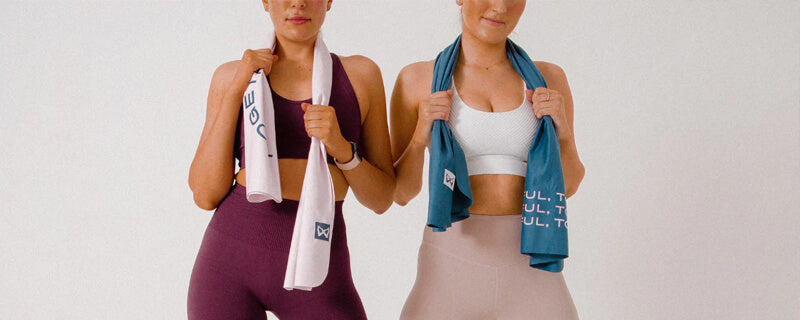
Ideal for: Gym towels, swim towels, travel towels, cleaning cloths.
Made from ultra-fine synthetic fibers, microfiber excels in practicality:
-
Pros: Dries incredibly fast, lightweight, highly packable, very absorbent (holds several times its weight in water), durable, and lint-free.
-
Cons: Lacks the plush, soft feel of cotton. Can sometimes feel slightly synthetic or staticky.
3. Bamboo (Rayon/Viscose from Bamboo): The Eco-Friendly Softie
Ideal for: Bath towels, baby towels, sensitive skin.
Derived from sustainable bamboo pulp:
-
Pros: Exceptionally soft and silky, naturally antibacterial/antifungal, highly absorbent, and biodegradable. A great sustainable choice.
-
Cons: Less durable than premium cotton. Drying time is moderate. Ensure it's certified (e.g., Oeko-Tex) for responsible processing.
4. Other Materials Worth Considering
-
Linen: Made from flax. Dries fastest, naturally antimicrobial, durable, and highly sustainable. Gets softer with washes but starts slightly coarser.
-
Modal: Made from beech trees. Very soft, highly absorbent, and dries faster than cotton. A good cotton alternative.
Choosing Your Best Towel Material: Key Factors
-
Absorbency: How much water can it soak up? Best: Cotton (esp. Egyptian), Bamboo, Microfiber.
-
Softness: How plush and gentle is it on your skin? Best: Cotton (esp. Egyptian, Turkish), Bamboo.
-
Durability: How long will it last with regular washing? Best: Long-staple Cotton (Egyptian, Turkish, Pima), Linen.
-
Drying Time: How quickly does it dry after use? Best: Microfiber, Linen.
-
Eco-Friendliness: Is it sustainably sourced and produced? Best: Organic Cotton, Bamboo (certified), Linen.
-
Price: Ranges widely. Generally: Microfiber < Bamboo/Modal < Standard Cotton < Premium Cotton (Turkish/Egyptian/Pima) < Linen.
The Verdict: What's the BEST Towel Material?
-
For Ultimate Luxury & Softness: Choose Egyptian or Turkish Cotton (look for high GSM).
-
For Best Balance (Softness + Absorbency + Value): Opt for Turkish or Pima Cotton.
-
For Eco-Conscious Shoppers: Pick Organic Cotton or certified Bamboo.
-
For Speed & Practicality (Gym, Pool, Travel): Microfiber is unbeatable.
-
For Hot Climates & Fast Drying: Consider Linen.
Ultimately, the "best" towel depends on your personal needs. Consider what matters most to you from the factors above, and you'll find your perfect match!